
Money used to mean coins, bills, or a number on a bank statement. Then Bitcoin showed up in 2009 and rewrote the rules. Today, the concept of cryptocurrency touches everything from online payments to retirement portfolios, and it refuses to sit still.
Prices soar, prices crash, and headlines swing between “the future of money” and “the biggest bubble in history.” Both reactions miss the more useful question: what actually is cryptocurrency, and how does it work under the hood?
This guide breaks down the concept of cryptocurrency in plain terms. You’ll learn why crypto keeps crashing, whether it deserves the bubble label, and how a hardware cryptocurrency wallet keeps your coins out of a hacker’s reach.
What Is the Concept of Cryptocurrency?
At its core, the concept of cryptocurrency is simple. It’s digital money that runs on code instead of a central bank. No government prints it. No single company controls it. Instead, a global network of computers verifies every transaction and keeps a shared record called the blockchain.
Cryptocurrency has no legislated value. A dollar is worth a dollar because a government says so. Bitcoin, Ethereum, and every other coin are worth only what buyers are willing to pay. That single fact explains most of the drama around crypto prices.
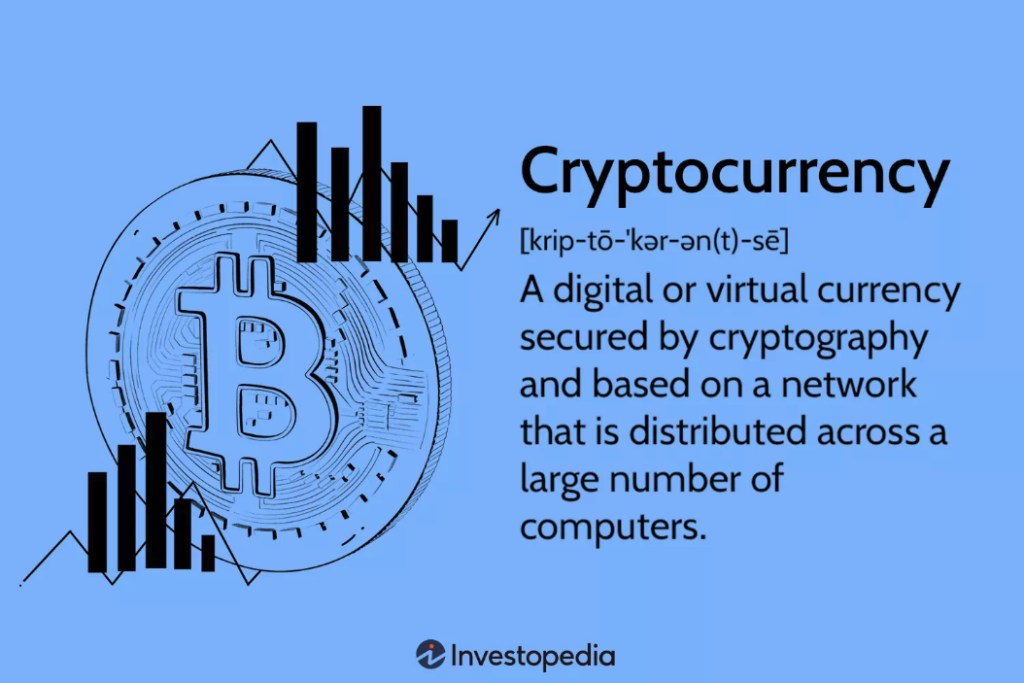
The “crypto” in cryptocurrency comes from cryptography, the math that locks transactions down. Cryptography turns a transfer of coins into a code that’s nearly impossible to fake. This is also why cryptocurrency transactions can happen directly between two people, with no bank standing in the middle.
How Cryptocurrency Transactions Work
Here’s the short version. You send coins to another wallet address. That transaction joins a batch of other recent transactions called a block. A network of computers, known as miners or validators, races to confirm the block is legitimate. Once confirmed, the block joins the chain permanently, and your transaction is done.
This process is public. Anyone can view the blockchain and trace a transaction. However, wallet addresses don’t reveal your name, so crypto offers a strange mix of transparency and anonymity at the same time.
Popular Types of Cryptocurrency Today
Bitcoin remains the most recognized name, but it’s far from the only player. Thousands of cryptocurrencies exist, and each one serves a different purpose. Here are the ones most investors watch:
- Bitcoin (BTC): The original cryptocurrency, often compared to digital gold because its supply is capped near 21 million coins.
- Ethereum (ETH): A blockchain platform that supports smart contracts, which are agreements that execute automatically once conditions are met.
- Tether (USDT) and USD Coin (USDC): Stablecoins pegged to the US dollar, designed to avoid the wild price swings of other coins.
- XRP and Solana (SOL): Built for fast, low-cost transactions, often used by exchanges and payment platforms.
- Altcoins: A catch-all term for every cryptocurrency that isn’t Bitcoin, including Dogecoin and Cardano.
Some of these coins aim to be currency. Others aim to power apps, contracts, or entire financial systems. That range is part of why the concept of cryptocurrency is harder to pin down than people expect.
Where the Concept of Cryptocurrency Shows Up in Daily Life
The concept of cryptocurrency isn’t confined to trading charts. It already touches payments, investing, and even career paths, often without people noticing.
The Concept of Cryptocurrency in Everyday Payments
A small but growing number of retailers, from tech sites to luxury dealers, accept crypto directly at checkout. Debit cards linked to a crypto balance let you spend coins anywhere a regular card works, converting the balance at the time of purchase.
The Concept of Cryptocurrency in Investing
Most people meet cryptocurrency for the first time through an exchange, not a checkout counter. That’s where you create an account, verify your identity, and swap dollars for coins.
If you’re weighing where to start, our Coinbase review breaks down how one of the largest exchanges handles account setup, fees, and built-in wallet storage, which is a useful side-by-side before you commit real money.
The Concept of Cryptocurrency in Blockchain Careers
Beyond buying and holding, the concept of cryptocurrency has created entire job categories. Financial analysts, data scientists, and blockchain developers now build careers around forecasting prices, securing networks, and building the apps that run on top of them.
Why Is Cryptocurrency Crashing Right Now?
If you’re wondering why cryptocurrency crashing keeps making headlines in 2026, the answer isn’t one single cause. It’s several pressures hitting the market at once.
- First, institutional money is pulling back. Bitcoin ETFs saw billions in outflows this year, with major funds like BlackRock’s IBIT accounting for the bulk of redemptions. When large funds sell, prices fall fast because crypto markets are thinner than traditional stock markets.
- Second, the macroeconomic backdrop turned unfriendly. The Federal Reserve shifted from expected rate cuts toward the possibility of hikes as inflation climbed. Higher rates make safe assets like bonds more attractive, so investors rotate out of speculative bets like crypto.
- Third, geopolitical tension added fuel. Conflict abroad pushed inflation expectations higher and suppressed hopes for near-term rate relief. Meanwhile, large corporate holders selling coins, plus algorithmic sell-offs among “whale” wallets, accelerated the drop.
So why are cryptocurrency crashing episodes so common? Because crypto prices depend entirely on sentiment and liquidity, not on earnings, dividends, or physical assets. When confidence drops, there’s nothing underneath to catch the fall.
This is the same dynamic behind every major why cryptocurrency crash headline since Bitcoin’s earliest days. You can track the drop in real time on Bloomberg’s live Bitcoin price chart, which shows just how sharply sentiment can move the market in a single session.
Is Cryptocurrency a Bubble?
This question splits experts down the middle. Some analysts argue the current setup is different from past manias. Rather than one market-wide frenzy, recent surges have been narrower, hitting specific niches like AI-linked tokens or meme coins before correcting sharply.
Others aren’t convinced. Some strategists have warned that Bitcoin could fall back toward the $10,000 range, calling that level a “fundamental anchor” for the asset. Bitcoin’s climb above $120,000 in late 2025, followed by a hard retracement, gives that argument some weight.
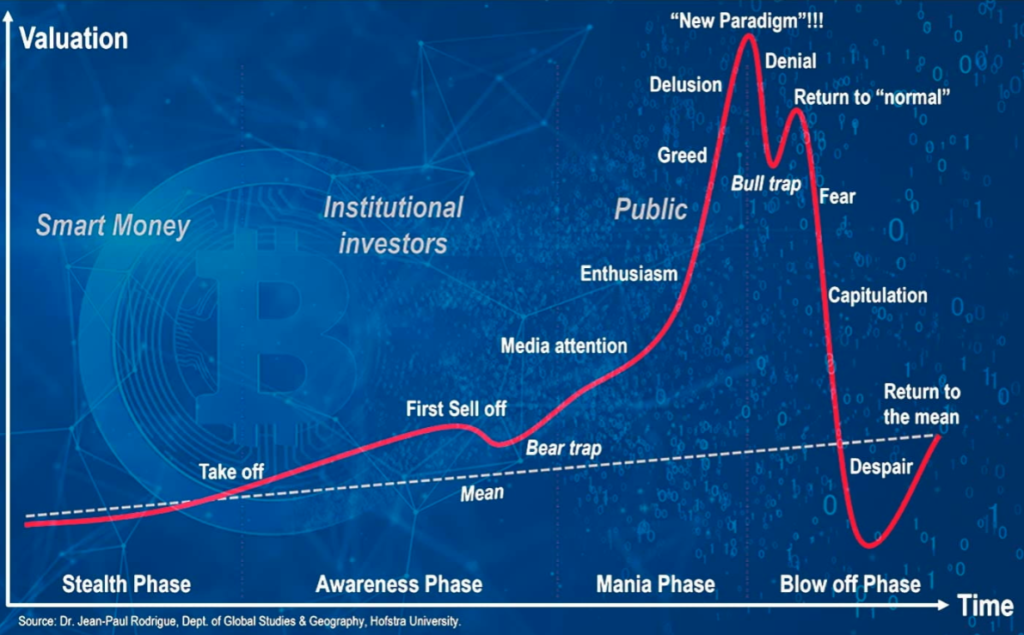
So is cryptocurrency a bubble? The honest answer is: parts of it might be, and parts of it might not be.
A token with no real use case, propped up purely by hype, fits the classic bubble pattern. A blockchain network solving a genuine problem is a different story, even if its price still swings wildly in the short term.
What’s clear is that betting on any single coin, or the sector as a whole, carries real risk. Prices can lose most of their value within months. Treat crypto as speculation, not as a guaranteed path to wealth.
How to Store Cryptocurrency Safely: Hardware Wallets
Once you own crypto, storage becomes the next challenge. Losing your private key means losing your coins, permanently, with no bank to call for a refund. That risk is exactly why a hardware cryptocurrency wallet has become the standard recommendation for anyone holding a meaningful amount.
Hot Wallets vs. Cold Wallets
There are two broad options for storing crypto:
- Hot wallets stay connected to the internet through an app or exchange account. They’re convenient for frequent trading, but that connection also makes them a target for hackers.
- Cold wallets, also called hardware wallets, store your private keys on a physical device that never touches the internet. This makes them far harder to hack remotely.

Hardware wallets from brands like Ledger and Trezor lead the market in 2026, thanks to secure chips that meet strict certification standards. Some newer models even use large touchscreens so you can verify transaction details before approving them, reducing the chance of confirming a fraudulent transfer.
For everyday transactions, a smaller device like a card-shaped wallet that connects over NFC offers a lighter alternative without sacrificing offline key storage.

Whichever exchange you buy from, plan to move anything beyond a small trading balance off that platform and into a wallet you control.
Risks Every Beginner Should Know
Crypto’s upside gets most of the attention, but the risks deserve equal weight before you invest a single dollar.
- Volatility: Prices can swing 20% or more in a single day. That’s normal for crypto, but it’s brutal for anyone who can’t stomach the ride.
- Scams: Fake exchanges, celebrity impersonation schemes, and romance scams cost victims hundreds of millions of dollars every year.
- Hacks: Even major platforms have lost hundreds of millions in coins to breaches, which is another reason cold storage matters.
- No recourse: Unlike a bank account, there’s no FDIC insurance and usually no way to reverse a mistaken or stolen transaction.
- Regulatory uncertainty: Rules are still evolving in most countries, and a single policy shift can move prices overnight.
None of this means crypto is off-limits. It means you should only invest what you can afford to lose, and you should never skip basic security steps.
The Future of the Concept of Cryptocurrency
Crashes and bubbles make headlines, but they don’t tell the whole story. The future of the concept of cryptocurrency depends more on regulation, institutional money, and real-world use than on any single price swing.
Regulation and the Concept of Cryptocurrency
Rules are tightening in most major markets, covering everything from exchange licensing to how stablecoins are backed. Clearer regulation could reduce scams and hacks, though it may also slow the free-wheeling innovation that drew early adopters in.
Institutional Adoption of the Concept of Cryptocurrency
Banks, asset managers, and even insurers now offer crypto products that didn’t exist five years ago, from spot Bitcoin ETPs to crypto-linked debit cards. That shift brings legitimacy, but it also means crypto prices increasingly move with the same macro forces that drive stocks and bonds.
What Comes Next for the Concept of Cryptocurrency
Expect more consolidation among exchanges and coins, tighter security standards for wallets, and continued volatility as the market matures. The concept of cryptocurrency will likely keep evolving faster than most regulations can keep up with it.
Smart Moves for Anyone Exploring Cryptocurrency
The concept of cryptocurrency isn’t going away, even after a rough stretch of headlines. Blockchain technology still underpins real innovation, from faster payments to transparent record-keeping. At the same time, the market remains speculative, volatile, and, in places, genuinely bubble-like.
Start small if you’re curious. Learn how blockchain works before you buy anything. Diversify instead of betting everything on one coin. And once you do hold crypto, move meaningful amounts into a hardware wallet rather than leaving them on an exchange.
Crypto rewards patience and punishes overconfidence. Approach it the same way you’d approach any high-risk investment: carefully, with research, and never with money you need next month.