
Imagine living in a place so remote that even 4G doesn’t reach. Now imagine streaming Netflix, video calling family, or running your business without a glitch — all thanks to Starlink internet.
Starlink is SpaceX’s revolutionary satellite internet service, aiming to provide fast, low-latency broadband internet to underserved and rural regions across the globe. Unlike traditional ISPs, Starlink doesn’t rely on ground cables or towers. Instead, it beams internet from thousands of satellites orbiting Earth.
This isn’t just another tech trend. Starlink is reshaping the future of global connectivity.
How Does Starlink Work?
Starlink operates through a constellation of Low Earth Orbit (LEO) satellites. These satellites are much closer to the Earth than traditional geostationary satellites, reducing latency and improving speed. Each satellite communicates with user terminals (called “dishes”) on the ground.
The Technology Behind It
- LEO satellites: Positioned at about 550 km altitude.
- User terminal: A phased-array antenna, sometimes nicknamed “Dishy McFlatface.”
- Ground stations: Link satellites to the global internet backbone.
This combination allows Starlink to offer internet in areas previously unreachable by cables or cell towers.

Starlink Direct-to-Cell: Mobile Connectivity Anywhere
SpaceX has officially rolled out its Direct-to-Cell satellite network, expanding connectivity beyond traditional home antennas directly to everyday smartphones.
By launching hundreds of specialized Gen2 satellites equipped with advanced eNodeB payloads, Starlink acts as a space-based cellular tower.
- No Extra Hardware Required: Works directly with existing LTE-compatible smartphones—no special apps or external adapters needed.
- Emergency SOS & Texting: Enables seamless messaging and emergency signal transmission in cellular dead zones across forests, oceans, and remote highway stretches.
- Carrier Partnerships: Integrated with global telecom operators (such as T-Mobile in the U.S.) to fill coverage gaps automatically when terrestrial towers lose signal.
- The Future of Mobile Data: As the Direct-to-Cell constellation expands, future updates will introduce native voice calls and mobile broadband data everywhere on Earth.
Where Is Starlink Internet Available?
As of early 2025, Starlink is available in over 70 countries, with more on the way. It covers remote villages in Alaska, ranches in Australia, ships at sea, and RVs exploring the American West.
Ideal Users:
- People in rural or off-grid areas
- Travelers with RVs or boats
- Emergency services in disaster zones
- Developing regions with limited infrastructure
You can even track active Starlink satellites in real time using publicly available satellite tracking data.
Starlink Internet Speed: Is It Fast?
Yes — and it’s getting faster.
In real-world tests, Starlink internet speed ranges from 50 Mbps to over 220 Mbps download and up to 25 Mbps upload, depending on your location and network congestion.
Latency
Thanks to its LEO network, latency is around 20 to 40 ms, ideal for video calls, gaming, and even streaming in 4K.
Starlink’s performance has improved steadily over time, consistently delivering better speeds and lower latency than traditional satellite providers like HughesNet and Viasat.
How Much Is Starlink? Breaking Down the Cost
One of the most frequent questions from prospective users is: “How much does Starlink cost?”
Recently, SpaceX restructured its subscription tiers to offer more flexible budgets, ranging from affordable entry-level options to high-speed priority plans.
| Plan Type | Price (USD/month) | Hardware Cost | Key Features & Speeds |
| Residential (100 Mbps) | $55 | $599 | Budget-friendly option for basic household needs |
| Residential (200 Mbps) | $85 | $599 | Standard tier for streaming and everyday remote work |
| Residential MAX | $130 | $599 | Highest priority, reaching up to 400 Mbps download |
| Roam (100GB) | $55 | $599 | Entry portable plan for occasional travelers and digital nomads |
| Roam (300GB) | $80 | $599 | Mid-tier mobility plan for regular travel |
| Roam Unlimited | $175 | $599 | Unlimited high-speed data anywhere on land |
| Starlink Mini Kit | Standard plans apply | ~$300–$599 | Ultra-portable compact dish with lower power consumption |
| Maritime / Global | $250 – $5,000+ | Varies | Dedicated high-priority throughput for vessels and offshore |
Note: Regional pricing and hardware discounts may apply depending on network capacity in your area. SpaceX also introduced a low-cost Standby Mode ($5/month) for users who want to pause active high-speed billing while keeping the dish connected for essential messaging.
Visit Starlink.com to check availability and pricing in your area.
What Is Starlink Mini?
Coming soon is the Starlink Mini — a more compact and budget-friendly version of the regular dish. It’s designed for mobile users, travelers, or people with limited space. Rumors suggest it may cost less than $300 and provide similar performance.
The Starlink Mini is expected to be a strategic response to growing market demand for portable, lower-cost internet solutions, helping Starlink stay competitive on a global scale.
Starlink Satellites: How Many Are There?
As of 2025, SpaceX has launched over 6,000 Starlink satellites, with thousands more planned. The final goal? A mega-constellation of up to 42,000 satellites to ensure global coverage.
Each Starlink launch typically deploys 20 to 60 satellites into orbit using SpaceX’s Falcon 9 rocket. In 2025 alone, missions like Starlink 6-74 have successfully expanded the constellation from Cape Canaveral and other launch sites.
Is Starlink the Best Satellite Internet?
Let’s compare:
| Provider | Download Speed | Latency | Data Cap | Best For |
|---|---|---|---|---|
| Starlink | 50–220 Mbps | 20–40 ms | Unlimited | Remote homes, RVs |
| HughesNet | 25 Mbps | 600 ms+ | 100 GB/month | Light browsing |
| Viasat | 30–100 Mbps | 600 ms+ | 300 GB/month | Basic work/school use |
Starlink stands out in terms of speed, latency, and data allowances when compared to other satellite internet providers.
Real-World Use Cases of Starlink
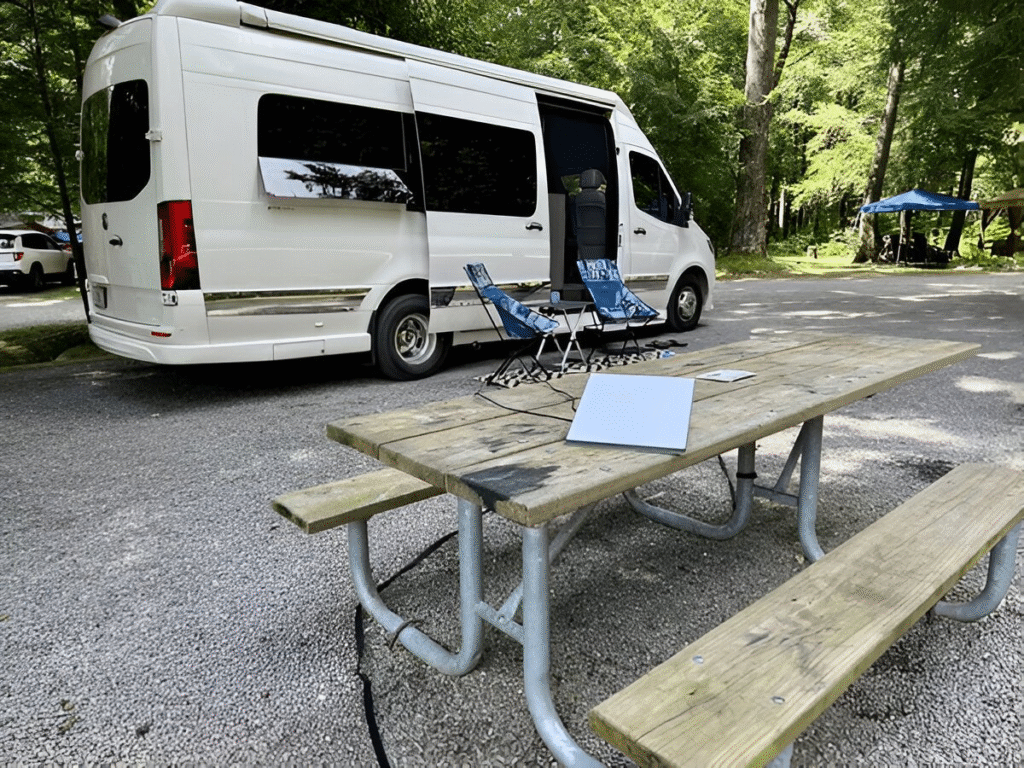
- Disaster Zones: Used in Ukraine, Haiti, and during U.S. hurricane recovery efforts.
- Maritime Connectivity: Cargo ships, cruise lines, and yachts now use Starlink at sea.
- Off-Grid Living: Remote cabins, farms, and even treehouses are now online.
- Automotive: Some vehicles now offer branded infotainment and safety systems that share the “Starlink” name, though these services are unrelated to SpaceX’s satellite internet.
The Future of Starlink: What’s Next?
Elon Musk’s vision for Starlink goes beyond just internet. It could support:
- Global IoT networks
- Smart cities
- Interplanetary communication (Mars, anyone?)
- Free internet access in developing nations
Some analysts are skeptical, citing sustainability and costs. But with over 2 million users globally and growing, Starlink is clearly on track to disrupt the broadband industry.
Curiosities About Starlink
- Starlink’s name is inspired by the novel “The Fault in Our Stars.”
- Starlink satellites are equipped with sun visors to reduce light pollution.
- Tesla cars don’t use Starlink, but integration may be possible in the future.
- There’s a Starlink app for setup, signal tracking, and troubleshooting.
- You can now mount the dish on your RV, truck, or even on boats.
Final Thoughts: Is Starlink Right for You?
If you live in a rural area or want reliable internet while traveling, Starlink is a game-changer. Its speed, affordability, and portability make it a serious alternative to fiber or 5G — especially where those don’t reach.
As Starlink continues to expand, it’s not just connecting the unconnected — it’s redefining how we think about the internet.