To begin with, data centers rarely attract public attention until something goes wrong. Yet quietly, they have become the backbone of modern digital life. Every cloud service, government platform, and financial system relies on them.
At the same time, artificial intelligence has shifted expectations entirely. As a result, AI data centers now demand more power, space, and specialised hardware than earlier facilities ever did. This change has pushed infrastructure planning into unfamiliar territory.
More importantly, policymakers are starting to notice. Governments increasingly view data centers as strategic assets tied to energy security, data sovereignty, and economic resilience. That shift is shaping how and where the next generation of data centers will be built.
The Modern Role of Data Centers
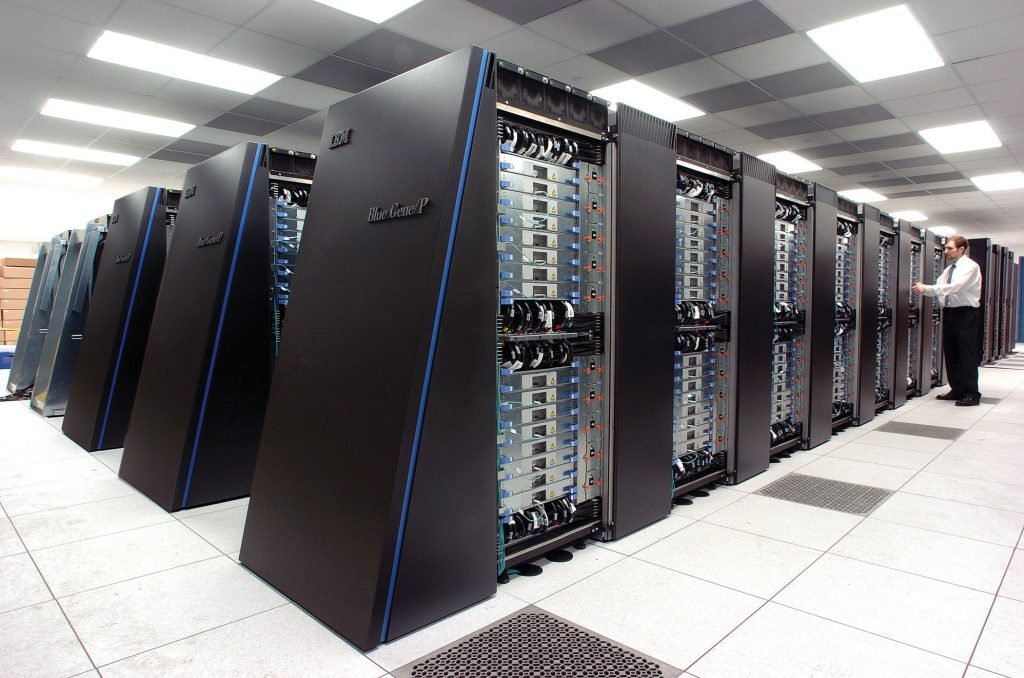
To start with, the modern data center looks very different from its early predecessors. What once resembled secured server rooms has expanded into globally distributed infrastructure. These facilities now operate as critical nodes in digital economies.
At the same time, data centers increasingly act as connective tissue between governments, businesses, and consumers. As a result, their reliability affects everything from healthcare systems to financial markets. Even brief disruptions can cascade quickly across sectors.
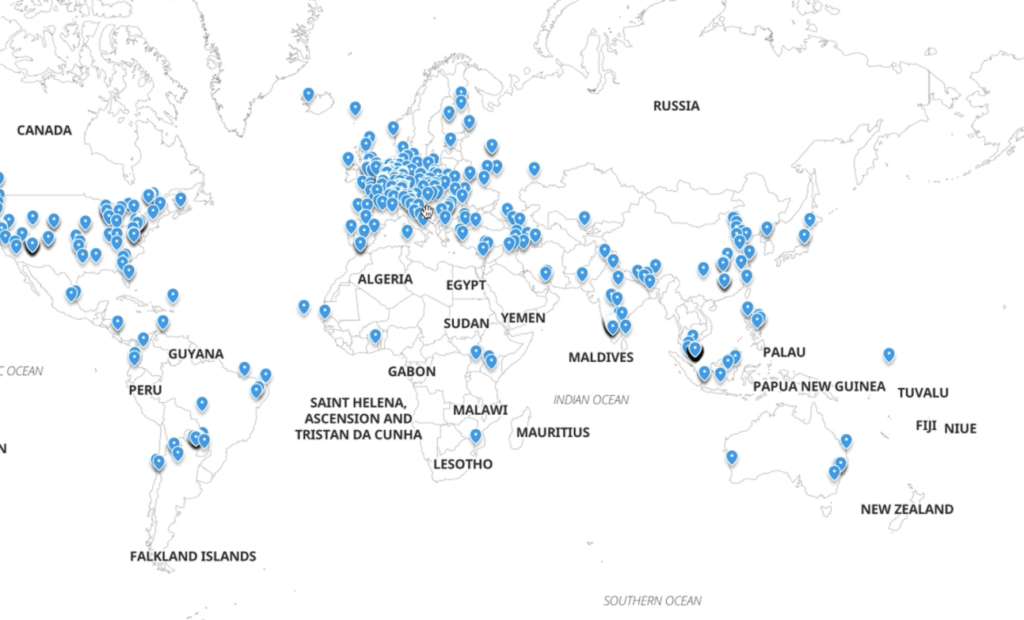
Crucially, this expanded role has altered how states perceive a data center’s importance. Instead of being treated as neutral technical assets, they are now framed as infrastructure with national significance. That reframing influences planning decisions, public scrutiny, and long-term investment priorities.
How AI Data Centers Are Changing the Game
To begin with, AI data centers place very different demands on infrastructure. Traditional data center designs focused on steady, predictable workloads. In contrast, AI systems generate intense bursts of computation that strain power and cooling limits.
As a result, power density has become a defining challenge. AI accelerators pack enormous processing capability into tight spaces, which drives heat levels sharply upward. Consequently, operators are experimenting with liquid cooling and redesigned floor layouts.
The rapid adoption of AI accelerators, largely supplied by companies like NVIDIA, has intensified concerns around supply concentration and infrastructure dependency.
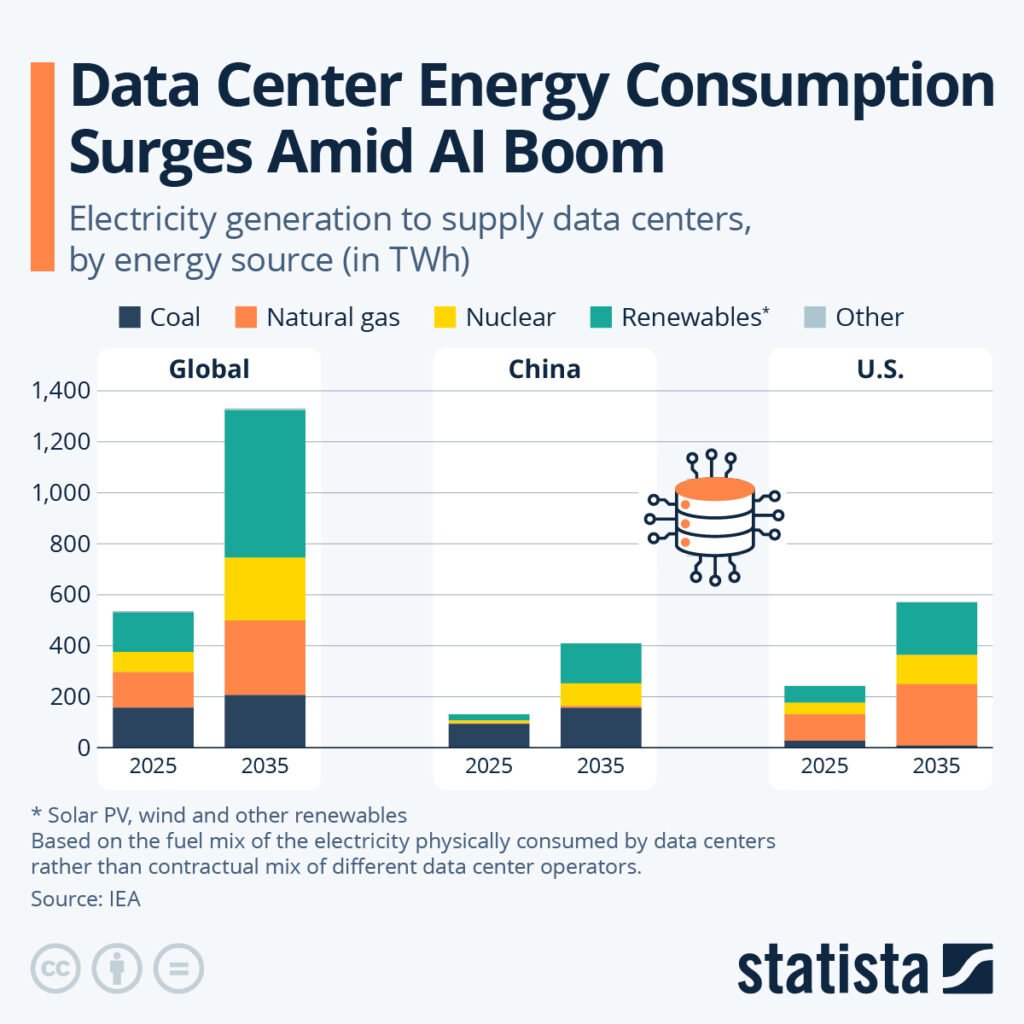
More significantly, this shift raises policy questions that extend beyond engineering. When AI data centers consume as much electricity as small towns, energy planning becomes a public concern. That reality is forcing regulators to reassess how digital growth aligns with national infrastructure capacity.
Energy Use, Sustainability, and Environmental Pressure
Rising energy consumption now sits at the centre of data center expansion debates. Large facilities draw power on a scale that rivals industrial plants. In many regions, this growth is colliding with already stretched electricity grids.
Meanwhile, operators frequently point to renewable energy commitments as proof of sustainability progress. However, these claims often rely on long-term offsets rather than direct supply. That gap has triggered scepticism from regulators and environmental groups alike.
Local impact adds another layer of pressure. Water usage for cooling and land allocation can strain surrounding communities. As scrutiny increases, sustainability is shifting from a marketing promise to a regulatory expectation.
Regulation, Policy, and National Interest
Across many jurisdictions, data centers are being reclassified as strategic infrastructure. This shift reflects concerns about data sovereignty, national security, and economic dependence. Planning approvals now involve more political oversight than before.
At the same time, governments are pulling in different directions. Incentives and tax breaks aim to attract investment, while zoning rules and energy caps attempt to control impact. That tension has slowed projects and sparked legal challenges in several regions.
Security considerations further complicate the picture. Cross-border data flows raise questions about jurisdiction and control. As AI data centers concentrate sensitive workloads, policymakers face pressure to define clearer boundaries and responsibilities.
Risks, Resilience, and Infrastructure Strain
Growing dependence on data centers has exposed new points of failure. Power interruptions, cooling breakdowns, and supply chain delays now carry wider consequences. Each incident highlights how tightly digital services are tied to physical infrastructure.
At the same time, grid resilience has become a pressing concern. AI data centers can introduce sudden load spikes that stress local electricity networks. Utilities are being forced to upgrade systems faster than originally planned.
Security risks also extend beyond cyber threats. Physical access, location choice, and disaster preparedness all shape resilience outcomes. As facilities grow larger, the cost of failure rises, making redundancy and oversight unavoidable priorities.
The Road Forward for Data Centers
Looking ahead, data centers face mounting pressure from multiple directions. AI data centers continue to expand faster than supporting infrastructure can adapt. This imbalance is forcing tougher conversations about limits and trade-offs.
At the policy level, efficiency is becoming as important as capacity. Governments are signalling that future approvals will hinge on measurable energy performance and local impact. Operators may need to justify growth in ways that go beyond economic benefit alone.
Ultimately, the next phase of data center development will depend on alignment. Technology, regulation, and energy planning must move in step. Without that coordination, the infrastructure powering the digital economy risks becoming its weakest link.