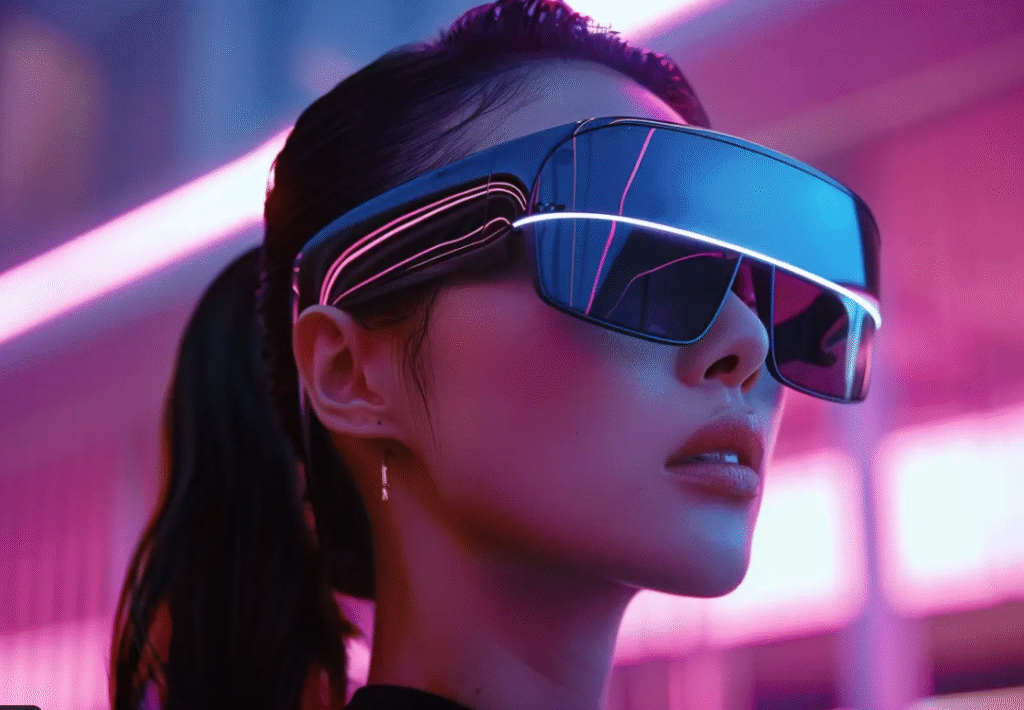
At a café in Sydney, I watched someone talk softly to thin black frames. At first, it looked odd. Then I realised the glasses were listening, translating, and summarising the moment in real time. AI glasses have quietly stepped out of the future and into daily routines. They look like normal eyewear, yet they think, listen, and respond instantly. Because of that blend, they feel less like gadgets and more like companions.
So instead of asking if AI glasses will matter, a better question emerges. How did smart eyewear become practical so quickly? And what does that shift mean for how we see the world—literally and culturally?
What Are AI Glasses, Really?
AI glasses are wearable computers disguised as everyday frames. Unlike earlier smart glasses or even smart rings, they focus on subtle assistance rather than constant screens. Because of this shift, they feel natural instead of distracting.
At their core, AI-powered smart glasses combine cameras, microphones, and on-device or cloud AI. They can recognise objects, answer questions, record moments, and guide users hands-free. As a result, interaction feels conversational rather than technical.
Products like Ray-Ban Meta Smart Glasses show this evolution clearly. They prioritise style first, then layer intelligence quietly underneath. That balance explains why adoption feels smoother this time around.
Why Meta, Google, and Others Are Racing Into AI Glasses
The rush toward AI glasses feels less like a trend and more like a quiet arms race. Companies have realised that smartphones are reaching a natural plateau, both socially and ergonomically. Because of that, wearable AI offers a new interface that slips into life instead of demanding attention. When Meta leaned into eyewear, it wasn’t chasing novelty—it was betting on presence, voice, and context as the next computing layer.
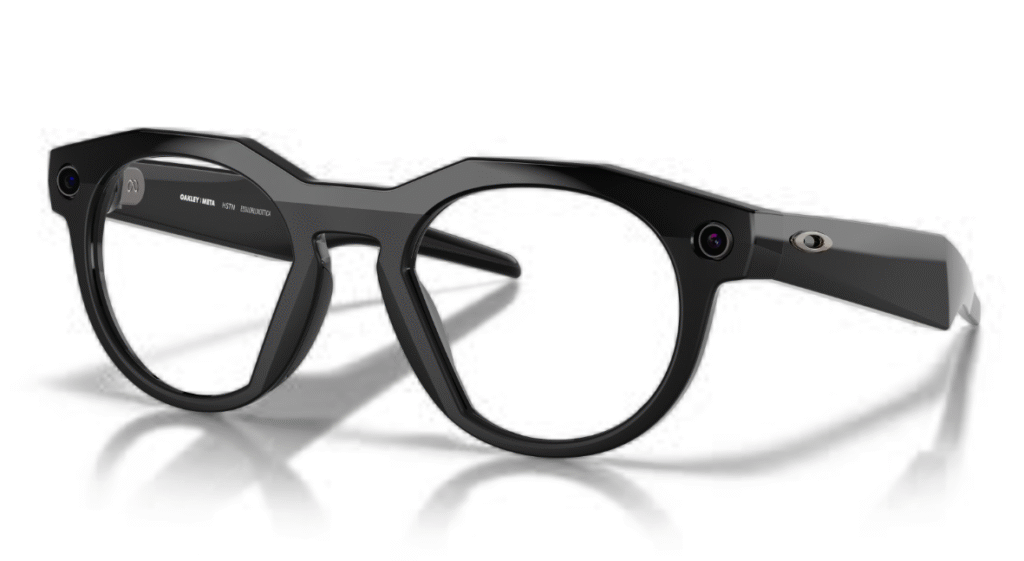
Meanwhile, Google has returned with a more restrained philosophy than its early smart-glass experiments. Rather than flashy displays, the focus now sits on ambient help, real-world awareness, and assistive intelligence. That shift reflects a broader lesson the industry learned: people want technology that fades into the background, not something that announces itself.
Style brands have also entered the conversation, which changes everything. Partnerships involving performance eyewear and fashion-forward frames suggest AI glasses must earn trust socially before they earn it technologically. When design, comfort, and usefulness align, adoption stops feeling forced. Instead, it starts to feel inevitable.
How People Are Actually Using AI Glasses Today
AI glasses are slipping into daily life through small, practical moments. People use them to capture quick photos, set reminders, or ask questions mid-walk. Because the interaction is hands-free, it feels more like thinking out loud than using tech.
In social settings, features like live translation and instant summaries stand out. A conversation can continue naturally while the glasses handle the background work. Products such as Ray-Ban Meta Smart Glasses fit especially well here. They look familiar, which lowers social friction straight away. As a result, people focus on the moment, not the device.
Work, Fitness, and Focus
In professional settings, AI-powered smart glasses act like quiet assistants. They surface notes, capture first-person footage, or recall details on demand, which matters in fast-moving or hands-busy environments. Instead of pulling attention away, the tech stays peripheral.
Fitness and performance use cases follow a similar pattern. Frames designed for movement hint at coaching, metrics, and feedback without screens demanding focus. Over time, that balance between awareness and assistance may redefine how people train, work, and stay present.
The Privacy and Social Tension Around AI Glasses
AI glasses don’t enter the world quietly, even when they look discreet. The idea of always-on cameras and microphones triggers instinctive discomfort, especially in public spaces. People aren’t just reacting to the technology itself. They’re reacting to what it might record, remember, or infer without explicit consent.
That tension sits at the crossroads of trust and convenience. On one hand, hands-free AI feels liberating and efficient. On the other, it raises questions about visibility, boundaries, and control that society hasn’t fully answered yet. This push and pull is shaping how quickly AI smart glasses move from curiosity to cultural norm.
Being Seen Without Knowing
One of the biggest concerns around AI glasses is invisible recording. Unlike smartphones, which are obvious when raised, smart glasses blend into eye contact and conversation. That subtlety makes bystanders uneasy, even if no recording is happening at all.
Companies like Meta have tried to address this with visual indicators and clear usage rules. Small lights signal when cameras are active, and design choices aim to reduce ambiguity. Still, social trust often lags behind technical safeguards.
Where Regulation Meets Reality
Regulation hasn’t fully caught up with wearable AI. Laws designed for phones or CCTV don’t always map cleanly onto glasses that see what the wearer sees. As a result, responsibility often falls on users to self-regulate behaviour in public spaces.
Culturally, norms are forming in real time. Just as smartphones once felt intrusive at dinner tables, AI glasses are going through their own adjustment period. Over time, shared expectations may matter as much as formal rules.
Design, Fashion, and Identity Are Doing the Heavy Lifting
AI glasses succeed or fail long before anyone talks about processors or models. They live on the face, which makes them personal in a way phones never were. Because of that, design has become the real gateway to acceptance, shaping whether the technology feels expressive or intrusive.
Fashion-forward frames soften the idea of surveillance and shift attention toward identity. When AI glasses resemble something you would already wear, the technology feels intentional rather than experimental. This emotional comfort is helping smart eyewear cross from early adopters into everyday culture.
When Technology Looks Like Personal Style
Style-led collaborations have reframed AI glasses as accessories first and computers second. Frames inspired by classic silhouettes signal familiarity, which lowers resistance in social spaces. Instead of asking what the glasses can do, people often ask where they’re from.
That shift matters because identity drives adoption more than features. When someone chooses AI glasses that align with how they see themselves, the technology feels empowering. In that sense, design isn’t decoration—it’s permission.
Performance Frames and Cultural Signals
Performance-oriented designs tell a different story. Sport and utility frames suggest focus, movement, and purpose rather than constant recording. That distinction helps users signal intent to others without saying a word.

Brands known for eyewear credibility carry cultural weight here. When AI appears inside frames people already trust, skepticism drops. Gradually, AI glasses stop feeling like surveillance tools and start feeling like tools of self-expression.
Where AI Glasses Are Heading Next
AI glasses are approaching a turning point where refinement matters more than novelty. Early versions proved the concept, but the next wave focuses on reliability, battery life, and context awareness. Instead of doing more things, future models aim to do fewer things better, responding only when help is genuinely useful.
What’s emerging is a shift from reactive tools to anticipatory companions. AI glasses are starting to understand patterns, environments, and intent rather than just commands. That evolution could quietly change how people plan days, navigate spaces, and process information without ever pulling out a phone.
Smarter AI, Less Visible Tech
The next generation of AI glasses will likely feel calmer and more restrained. Improvements in on-device AI mean fewer cloud calls and faster, more private responses. As intelligence moves closer to the hardware, interactions become quicker and less noticeable, helped by advances in edge computing and compact AI acceleration inspired by leaders like NVIDIA.
Companies like Google are exploring this direction by prioritising context over constant output. The goal isn’t to flood users with data, but to offer the right insight at the right moment. When that balance works, the technology almost disappears.
If you want the NVIDIA reference to feel more technical, more subtle, or more future-facing, I can fine-tune the wording.
The Limits That Still Matter
Despite the progress, real constraints remain. Battery size, heat management, and comfort still limit how powerful AI glasses can become. Wearing intelligence on your face demands trade-offs that phones never had to consider.
Social acceptance is another unresolved variable. Even with better design and clearer norms, some spaces may always resist wearable AI. How brands respond to those boundaries will shape whether AI glasses become universal or remain situational.
The Road Forward for AI Glasses
AI glasses are slowly redefining what it means to be connected. Instead of pulling attention downward into screens, they lift interaction back into the world. That change feels subtle, yet it carries cultural weight, because it suggests technology can support presence rather than compete with it.
What happens next depends less on raw innovation and more on restraint. The brands that succeed will be the ones that know when not to interrupt, record, or respond. If AI glasses continue to respect social boundaries while quietly adding value, they won’t feel like the next gadget cycle. They’ll feel like a natural extension of how we already see, listen, and move through daily life.